







Search Results for: tea plant varieties
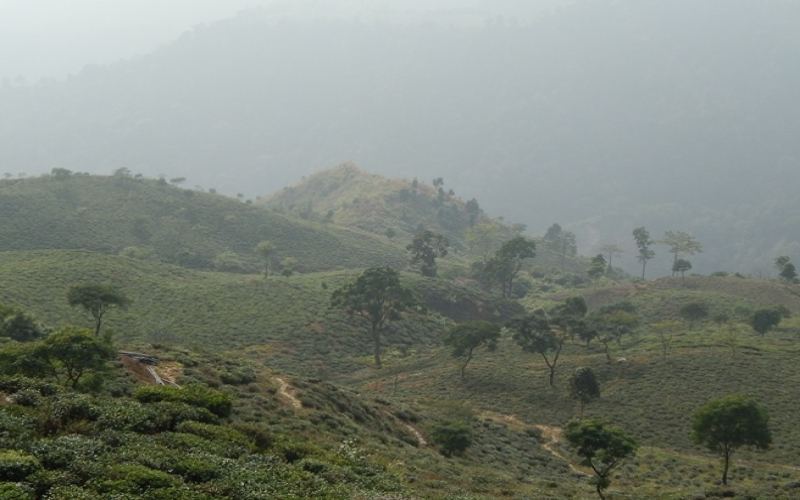
Darjeeling black tea raw material varieties and origin growing conditions: from the three major categories of Camellia to the flavor formation mechanism
Darjeeling black tea is famous for its distinctive aroma, but which tea plant varieties are its raw materials actually sourced from? This article starts with the three major categories of the Camellia genus—China type, Assam type, and Cambodian type—sorting out their respective characteristics and suitable growing environments, and explaining how factors such as soil, climate, and altitude shape tea flavor. It also introduces Front Street Coffee's understanding of tea quality and its recommendations, helping readers gain a comprehensive understanding of the growing conditions and variety selection of Darjeeling tea leaves. [more…]
What Are the Differences Between Chinese Black Tea and Indian Black Tea? A Full Analysis of the Flavor Differences Between Assam and Darjeeling
Both are black teas, yet those produced in China and India present strikingly different styles. Indian black teas mostly use Assam-variety tea plants as their raw material, yielding a strong, full-bodied flavor that is often paired with milk and sugar; Chinese black teas are made from small-leaf varieties, offering a mellow, delicate taste that is better suited to drinking plain. Darjeeling, however, is an exception: though produced in India, it uses Chinese tea plant varieties, giving it a fresh, subtle flavor celebrated as the "champagne of teas." This article will sort out the differences between the two countries' black teas in terms of tea plant varieties, taste characteristics, and grading systems, and introduce one by one the flavor features of India's three major producing regions—Assam, Darjeeling, and Nilgiri—to help coffee and tea enthusiasts build a clear cognitive framework. [more…]
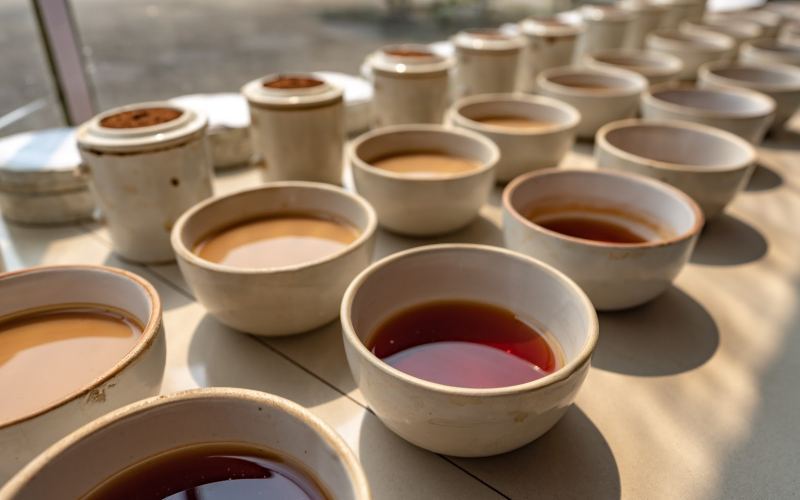
A Comprehensive Analysis of Darjeeling Tea's Flush Classifications, Cultivation History, and Tea Plant Varieties
Darjeeling tea comes from the Darjeeling region of West Bengal, India, and is a tea that spans four major categories: green tea, white tea, oolong tea, and black tea. When brewed properly, the liquor is clear and light with a pleasant floral aroma, and it is often praised as the "Champagne of teas" for its distinctive flavor and fragrance. Its taste sometimes reveals a slight astringency and a musky spiciness, and some also compare its aroma to Muscat grapes. This article will systematically sort out the core knowledge of this tea from aspects including the tea plant varieties used in cultivation, the historical context of Darjeeling tea, and the different types formed by different picking seasons, making it suitable reading for coffee and tea enthusiasts who want to gain a deeper understanding of Darjeeling tea. [more…]
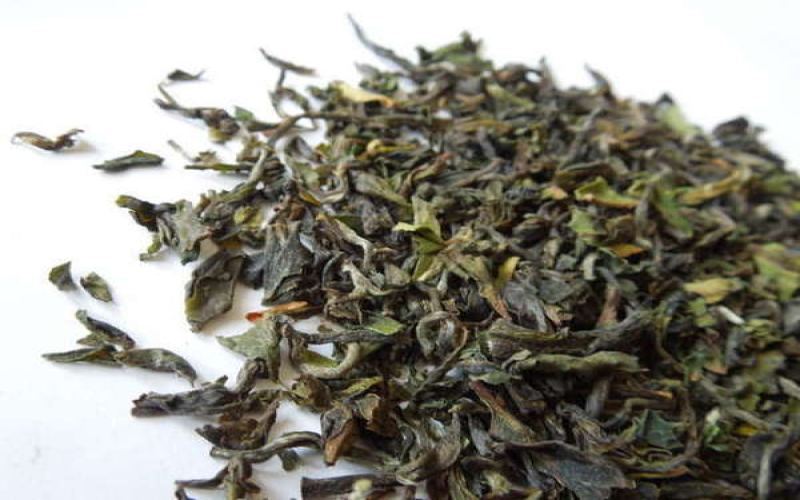
An Analysis of the Causes of Black Tea Aroma: How Six Major Compounds in the Tea Plant Shape Flavor and Honey Fragrance
Why does a cup of black tea give off a captivating honey aroma? Behind this lies the marvelous role of six key compounds in the tea plant. Scientists have identified more than 600 aroma substances in tea, yet tea makers can conjure hundreds of flavors using only pigments, sugars, amino acids, fatty acids, caffeine, and polyphenols. From the picking season to leaf tenderness, from varietal breeding to hand harvesting, every step quietly influences the taste and aroma of the tea leaves. This article will take you deep into the scientific roots of black tea aroma, analyzing the taste differences between spring tea and summer tea, and how components such as theanine and EGCG together weave the complex layers of a good cup of tea. Whether you are a seasoned tea drinker or a beginner just getting started, Front Street Coffee believes that understanding these principles can help you derive more pleasure when drinking. [more…]
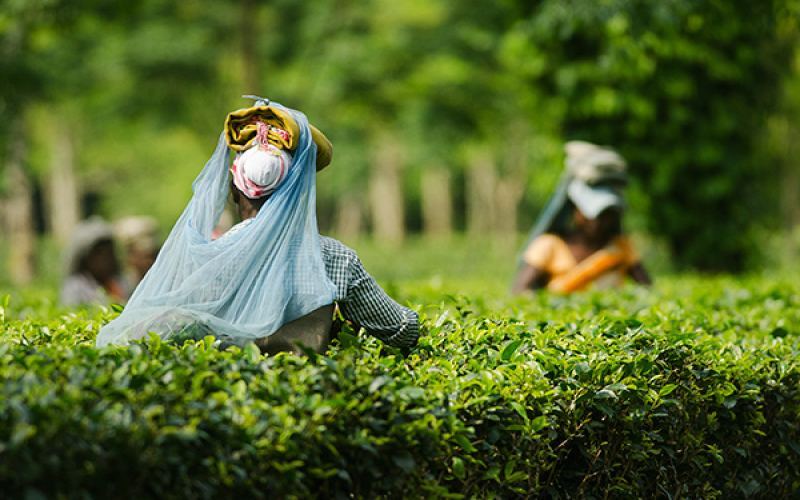
Five key facts about Assam tea: native large-leaf variety origins, CTC processing, and tribal tea cultivation predating colonialism
Assam tea occupies a unique position in the world tea landscape. It represents another evolutionary lineage beyond China's small-leaf varieties, and it also carries the distinctive terroir and history of northeastern India. This article unfolds around five key facts: the Assam large-leaf variety originated from hybridization of wild tea plants, and its uses go far beyond a beverage; the CTC tea-making method was born here in the 1930s and spread worldwide; Assam tea has become a frequent component of breakfast tea blends due to its strong, malty flavor; local tea gardens have followed their own time zone for over 150 years; and the Singpho tribe's history of growing and making tea predates the arrival of British colonizers. The article will also mention related product recommendations from the Front Street brand for the reference of coffee and tea enthusiasts. [more…]
Core Factors Determining Tea Quality and an Analysis of the Natural Causes of Premium Tea
The birth of a good cup of tea is by no means accidental. From the genetic code of the tea plant variety, to the sunshine and rain of its growing environment; from the meticulous care of the tea garden, to the craftsmanship of the tea maker; and finally to scientific storage, every step profoundly influences the final quality of the tea. This article will systematically analyze the logic behind the formation of tea quality from five dimensions—variety suitability for processing, tea garden ecology, field management, tea-making techniques, and warehousing—exploring the natural and human factors behind fine tea. Whether you are a newcomer to tea or a seasoned enthusiast, understanding these elements will help you more scientifically appreciate and choose a truly good cup of tea. [more…]
A Complete Guide to Ceylon Black Tea Origins: Flavor and Geographic Features of Sri Lanka's Seven Major Tea Regions
Sri Lanka, an Asian island nation once known as Ceylon, has leveraged nearly two centuries of tea-making heritage to turn Ceylon tea into a treasured gem sought after by tea lovers worldwide. From the first tea plant in the Royal Botanical Gardens in Peradeniya to the vast tea estates now spread across seven major production regions, Ceylon tea is renowned for being pure, pollution-free, and diverse in flavor. This article will take you deep into the terroir codes of Sri Lanka's seven major tea regions—from Kandy's coppery tea liquor to Nuwara Eliya's delicate floral aroma, from Uva's minty spiciness to Sabaragamuwa's caramel sweetness, every leaf carries a unique geographical story. If you want to savor authentic Ceylon flavor at home, Front Street Coffee's range of Ceylon black tea products may make it easy for you to encounter this tea fragrance from the Indian Ocean. [more…]
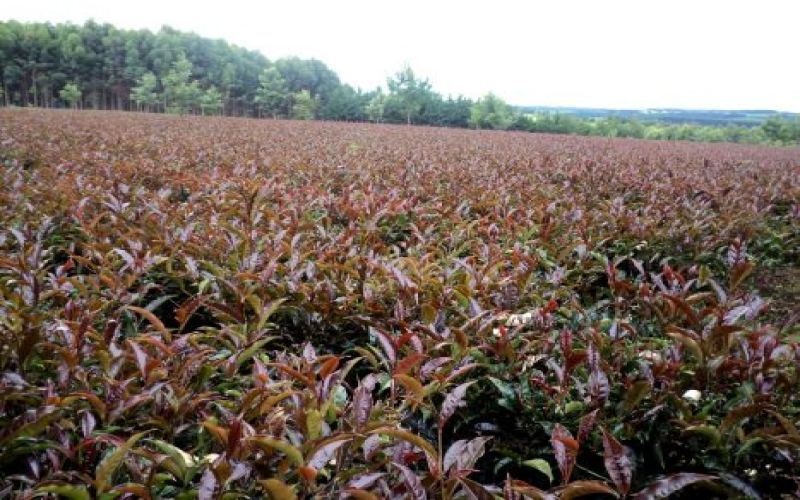
What is Kenyan purple tea? Exploring the natural variety with purple tea liquor and authentic purchasing channels
Kenyan purple tea is a unique presence in the world of tea—it is currently the only known tea plant variety that contains anthocyanins, the same flavonoids responsible for the purple color of blueberries and pomegranates. Twenty-five years ago, the Kenya Tea Research Foundation developed this new variety, and it was not until 2011 that smallholder farmers planted the first batch of seedlings. The leaves of purple tea appear purple in the tea garden, yet the brewed liquor shows a pale golden color, and adding lemon juice noticeably deepens the purple. Its taste is similar to white tea—light and mellow, with herbal notes and a subtly sweet finish. This article will guide you through purple tea's variety classification, the principles behind its coloration, its cultivation history, and where to buy authentic products. [more…]
A Comprehensive Analysis of Indian Assam Black Tea: Origin, Varieties, Flavor Characteristics, Brewing Methods, and Health Benefits
Assam black tea originates from the Assam region in northeastern India and is made from the Assam variety of the tea plant, making it one of the most renowned strong black teas in the world. Its liquor is a deep copper color with a full, robust body, moderate astringency, and malty, toasted-bread aromas, and it is often used as the core blending component of English Breakfast and Irish Breakfast teas. Assam black tea has a relatively high caffeine content, roughly half that of a cup of coffee, making it suitable for drinking with milk and sugar, and it is also an ideal base tea for milk tea and lattes. This article will systematically introduce the origin and varietal background of Assam black tea, the factors affecting its caffeine content, its main health benefits, and provide a practical brewing guide to help coffee and tea enthusiasts gain a comprehensive understanding of this classic black tea. [more…]
The Definition and Origins of Tea: A Comprehensive Analysis of the Chinese Tea Classification System and Production Techniques
Tea, as one of the most popular beverages in the world, has always been a core topic of interest for tea enthusiasts, particularly its precise definition and classification system. This article will start from the essence of tea leaves, systematically outline the classification criteria for Chinese tea, trace the historical journey of tea from China to the world, and provide a detailed analysis of the complete production process from tea cultivation to leaf picking. Additionally, it will explain the differences between true tea and herbal teas, as well as the impact of key steps such as high-altitude cultivation and hand-picking on tea quality. Whether you are a coffee enthusiast just starting out or a seasoned drinker with extensive knowledge of tea culture, you will gain clear and professional insights from this. [more…]
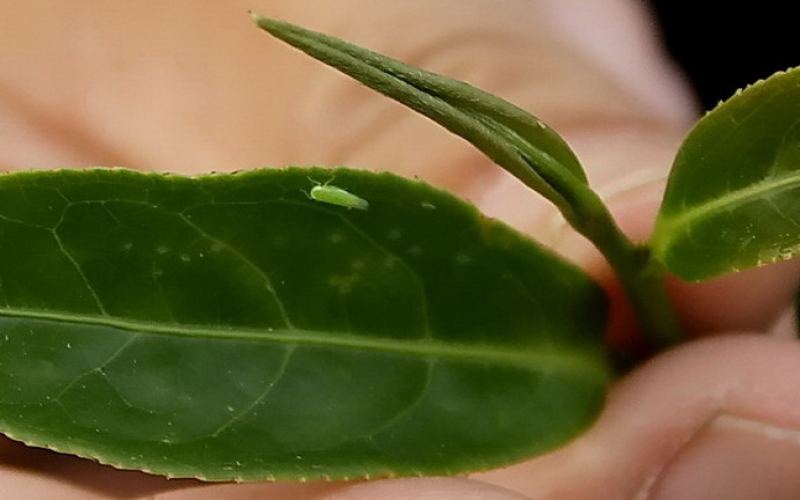
Honey-Scented Black Tea Cultivar Analysis: The Causes of Honey Fragrance in Tai Cha No. 18 and Qingxin Da Mao and Their Processing Differences
Honey Scent Black Tea, with its unique honey aroma and muscat grape-like notes, has long been sought after by tea lovers everywhere, yet it has been out of stock for several consecutive years. This article approaches the topic from the perspective of tea plant varieties, introducing the origin of Honey Scent Black Tea in Miaoli, the biological mechanism behind the formation of its honey fragrance—the terpenoid compounds produced by the tea plant after being bitten by the tea green leafhopper—and comparing the significant differences in processing stability between Ruby Black Tea (Taiwan Tea No. 18) and oolong varieties such as Qingxin Damao. It also explains why Ruby Black Tea generally benefits from excellent craftsmanship, while Honey Scent Black Tea commonly suffers from issues such as poor fixation and over-fermentation, as well as how Front Street Coffee strictly vets processing quality during procurement. [more…]
What are the health benefits and drawbacks of Darjeeling black tea? What exactly is this tea known as the champagne of teas?
Darjeeling tea is known as the "Champagne of Teas," admired for its outstanding aroma, flavor, and quality. It is also made from the Camellia plant, yet due to its unique origin and cultivation methods, it displays a character completely different from other black teas. Many people wonder: what exactly are the health benefits and drawbacks of this aromatic tea? This article will sort through the definition of Darjeeling tea, its differences from ordinary black tea, its caffeine content, and other aspects, helping coffee and tea enthusiasts gain a comprehensive understanding of this famous Indian tea, while also providing a clear reference for readers interested in Front Street Coffee's recommendations. [more…]
How to Distinguish Authentic Assam from Darjeeling Black Tea? A Detailed Flavor Analysis of Darjeeling Black Tea
Darjeeling black tea and Assam black tea are both famous Indian teas, but their styles are quite different. Darjeeling is known for its distinctive muscatel grape character, and its tea tree varieties, cultivation history, plucking seasons, and certification system are all worth exploring in depth. This article will examine the reasons behind its flavor, its historical origins, tea classification, and authenticity identification to help coffee and tea enthusiasts clarify the differences between these two black teas. At the same time, the article will also mention related product information from the Front Street brand for reference when making purchases. [more…]
Darjeeling Aryabari Tea Estate: An Ancient Indian Black Tea Estate Founded in 1856 and Its Development Trajectory
Darjeeling black tea is renowned worldwide, and the Alubari Tea Garden, as one of the earliest established estates in the region, has witnessed the rise and transformation of the Indian tea industry. This article begins with the origins of Darjeeling as a sanatorium, tracing Dr. Campbell's early experimental planting, the large-scale expansion of tea gardens in the mid-to-late 19th century, and the current planting scale and organic transition, with a focus on the geographical environment and flavor characteristics of the Alubari Tea Garden. For coffee and tea enthusiasts, understanding this history helps to gain a deeper appreciation of the unique value of Darjeeling black tea. Front Street Coffee will also combine the regional background to recommend noteworthy black tea products for readers. [more…]
Does Tieguanyin Contain Caffeine? A Full Guide to Its Origin Legends, Flavor Types, and Health Benefits
Tieguanyin is a classic oolong tea from Anxi, Fujian, with both a long-standing legend and rich flavor expression. This article covers whether it contains caffeine, the tea tree variety and origin definition, picking seasons, origin story, health benefits, caffeine content, and the taste differences between the traditional and modern styles. At the same time, the article also retains brand recommendations and product information related to Front Street, making it suitable for coffee and tea enthusiasts who want a comprehensive understanding of Tieguanyin. [more…]
Does Darjeeling tea belong to black tea or green tea? Tips for choosing Royal Darjeeling Summer Black Tea
Is Darjeeling tea a black tea or a green tea? This is a question many tea lovers often have. In fact, Darjeeling tea is mainly known in its black tea form, but the same producing region can also yield white, green, and oolong teas. Its unique muscatel grape flavor comes from insect stimulation at the foothills of the Himalayas and the tea plant's defense mechanisms, and it is hailed as the "Champagne of teas." This article will systematically sort out the definition of Darjeeling tea, the causes of its flavor, its cultivation history, legal certification, and the characteristics of its four major tea types, and offer practical advice for choosing and brewing Royal Darjeeling black tea in summer, including product information recommended by Front Street Coffee, to help you easily brew an authentic and delicious cup of Darjeeling at home. [more…]
How much does Wudong Dancong tea in an iron tin cost? A detailed explanation of Phoenix Dancong's shelf life and storage duration
Many people wonder why some teas have the characters "single bush" in their names—like the common Phoenix Dancong, aged Phoenix Dancong, and frozen Wudong Dancong. To understand this naming convention, we need to start with the definition of Phoenix Dancong: it is made by selecting superior individual bushes from the Phoenix Shuixian population, which are then cultivated, picked, processed, and sold separately. These tea trees, processed using the single-bush method, are collectively called Phoenix Dancong. In contrast is the blending process used for Pu'er tea: to create different flavors, tea makers blend leaves from different mountains, seasons, and tenderness levels. Of course, some Pu'er enthusiasts prefer single-bush ancient tree tea. It is precisely for the convenience of cultivation and management, picking and processing, and consumer purchasing that Phoenix tea farmers classify and name tea trees based on tree morphology, finished tea characteristics, and growing environment. Accumulated over generations, this has formed hundreds of strains and varieties. This article will explain the issues everyone cares about regarding Wudong Dancong: its tin box packaging, market price, shelf life, and storage time. [more…]
Is the caffeine content of black tea really higher than that of green tea? Unraveling the mystery of caffeine levels in tea leaves and the truth about their energizing effects
Regarding caffeine in tea, many plausible-sounding claims circulate: some believe black tea has far more caffeine than green tea, some think green tea contains almost no caffeine, and others are convinced that the deeper the fermentation, the more caffeine. Is any of this actually true? All tea leaves from the tea plant—unless decaffeinated—inherently contain caffeine, and the level depends more on plucking tenderness, tea cultivar, cultivation methods, and climate conditions than on the degree of fermentation or oxidation. Buds and newly opened leaves have the highest caffeine concentrations, African Assamica tea plants are generally higher than Chinese varieties, and older leaves plucked in autumn tend to be lower. In addition, theanine, unique to tea, works synergistically with caffeine to deliver a calm yet alert lift—quite different from the jolt of coffee. This article breaks down these factors one by one and explains why Front Street Coffee labels the caffeine content of the teas it sells, helping you make a more suitable choice based on your own tolerance. [more…]

Kenya Embu Region EMBU Kirinyaga Coffee Beans: A Complete Analysis from Variety, Processing Method to Flavor and Brewing
The Embu region of Kenya is located near Mount Kenya, at an altitude of about 1,300-1,900 meters, with fertile volcanic soil, and tea is also an important local export crop. This region is dominated by smallholder farmers, and the fresh cherries are mostly handed over to washing stations under cooperatives for unified processing and export. The ENA factory uses hand sorting, multiple fermentation and scrubbing, and raised-bed drying for 14-21 days, making the flavor cleaner and more acidic. In terms of varieties, SL28 and SL34 originated from breeding in the 20th century for resistance to berry disease. SL28 belongs to the Bourbon genetic group, is drought-tolerant, and has a pure flavor; in the 1970s, Ruiru11 was introduced, which is resistant to leaf rust, tolerant to berry disease, and can be planted densely. The Kiri coffee beans recommended by Front Street Coffee come from the Embu ENA cooperative, at an altitude of 1,600-1,800 meters, with varieties SL28 and Ruiru11, washed processing, and flavors of berries, smoked plum, pomelo, and Earl Grey tea. This article also provides V60 staged brewing parameters and a flavor experience. [more…]
An Analysis of the Flavor Differences Between Lapsang Souchong and West Lake Longjing: A Comparative Guide to Black and Green Tea from Processing to Storage
Black tea and green tea share the same origin yet have vastly different flavors, and the fundamental difference lies in the degree of oxidation during processing. Black tea undergoes complete oxidation, presenting honey, caramel, and ripe fruit aromas; green tea, through fixation (kill-green), retains its fresh green character, with a light flavor carrying bean or nutty notes. The two teas also differ greatly in storage: green tea, due to its high moisture content and tendency to continue oxidizing, is best stored sealed and refrigerated; black tea is dry and stable, and can be kept sealed at room temperature for over a year. This article systematically sorts out the similarities and differences between black and green teas such as Lapsang Souchong and West Lake Longjing from four dimensions—tea plant varieties, production processes, storage key points, and taste characteristics—and includes Front Street Coffee's purchasing and preservation suggestions to help you better understand the tea in your cup. [more…]